

Off-white paint colors offer a softer alternative to bright white while still keeping spaces light and fresh. These shades work well in any room and pair easily with other colors. They add warmth without being too bold or dark.
Off-white paints come in many shades, each with different undertones that can change how a room looks and feels. Some lean toward cream or beige, while others have gray or yellow hints. The right choice depends on the lighting in a space and the mood someone wants to create. This guide covers popular off-white paint options and tips for using them in a home.
1) Benjamin Moore White Dove
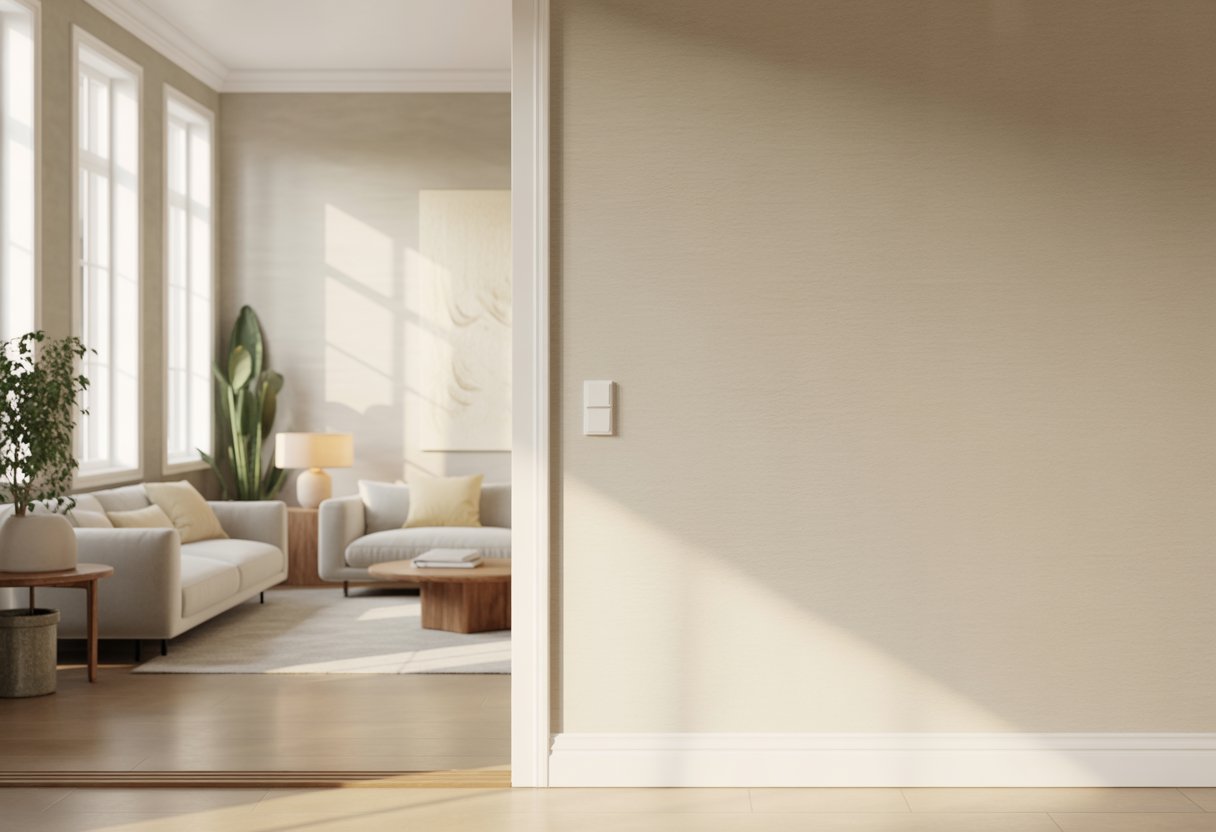
Benjamin Moore White Dove OC-17 stands out as one of the most popular off-white paint colors on the market. Interior designers and homeowners choose it year after year for good reason.
This warm white features soft, creamy undertones that give it a welcoming feel. Unlike stark whites that can feel cold or clinical, White Dove brings a gentle warmth to any space without looking yellow.
The color works well in different rooms and lighting conditions. It adapts to its surroundings while maintaining its classic appeal. People use it successfully on walls, trim, cabinets, and even exteriors.
White Dove pairs easily with other colors and fits multiple design styles. Whether someone wants a modern farmhouse look or a traditional aesthetic, this shade provides a versatile foundation.
The paint color has become a reliable choice for those who want a clean, timeless white that feels comfortable and lived-in. Its subtle warmth helps create spaces that feel inviting rather than sterile. This makes it an excellent option for anyone looking to brighten their home with an off-white that works almost anywhere.

2) Sherwin-Williams Alabaster
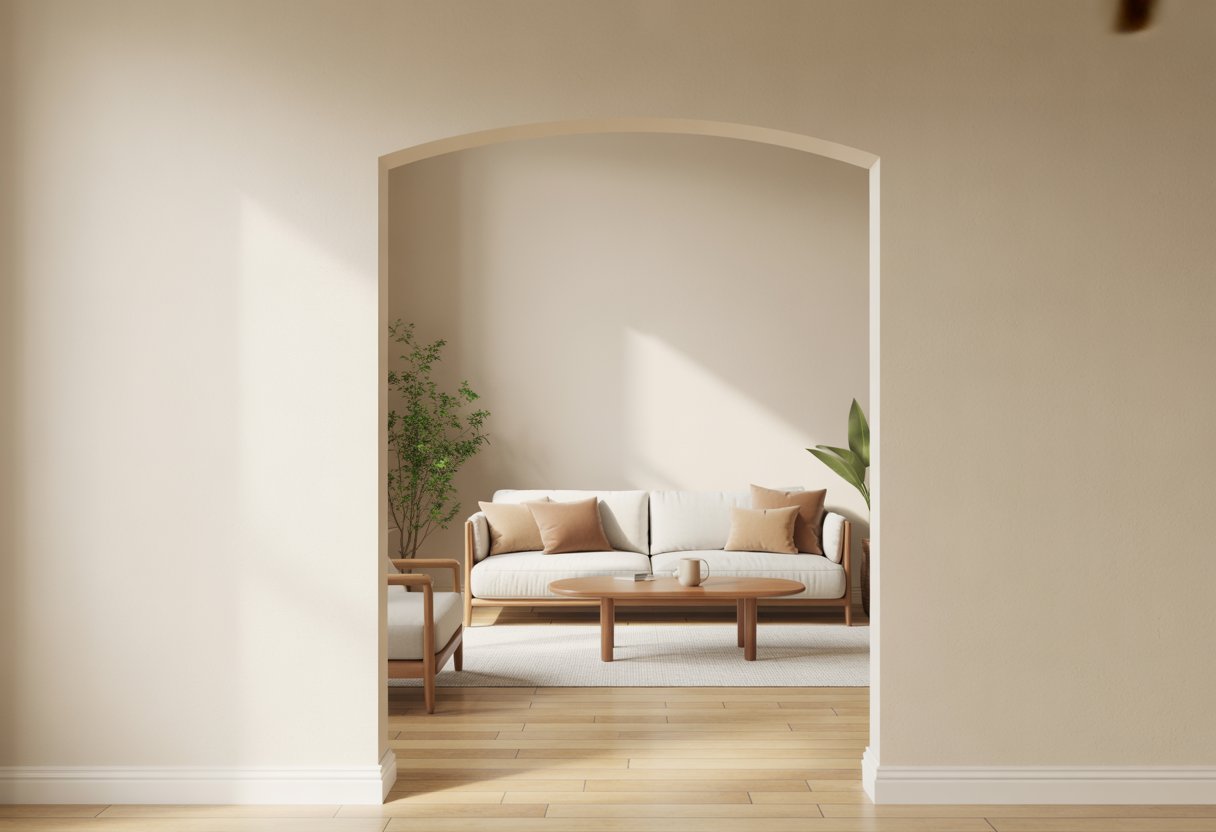
Sherwin-Williams Alabaster (SW 7008) stands out as one of the most loved off-white paint colors on the market. It brings a soft, warm feel to any room without looking too yellow or too gray.
This paint color has subtle greige undertones that give it a unique character. It reads as a bright, clean white but still feels cozy and welcoming. The creamy base keeps it from looking cold or stark like pure white paints can.
Alabaster has a Light Reflectance Value of 82. This means it reflects a lot of light back into the room, making spaces feel bigger and brighter. It works well in rooms with both natural and artificial lighting.
Homeowners and designers pick this color for walls, trim, and cabinets. It pairs nicely with other neutrals and works in almost any room of the house. The warmth of Alabaster creates a relaxed atmosphere that feels lived-in rather than sterile.
This off-white works in traditional and modern homes alike. It’s a safe choice that rarely disappoints.

3) Behr Swiss Coffee
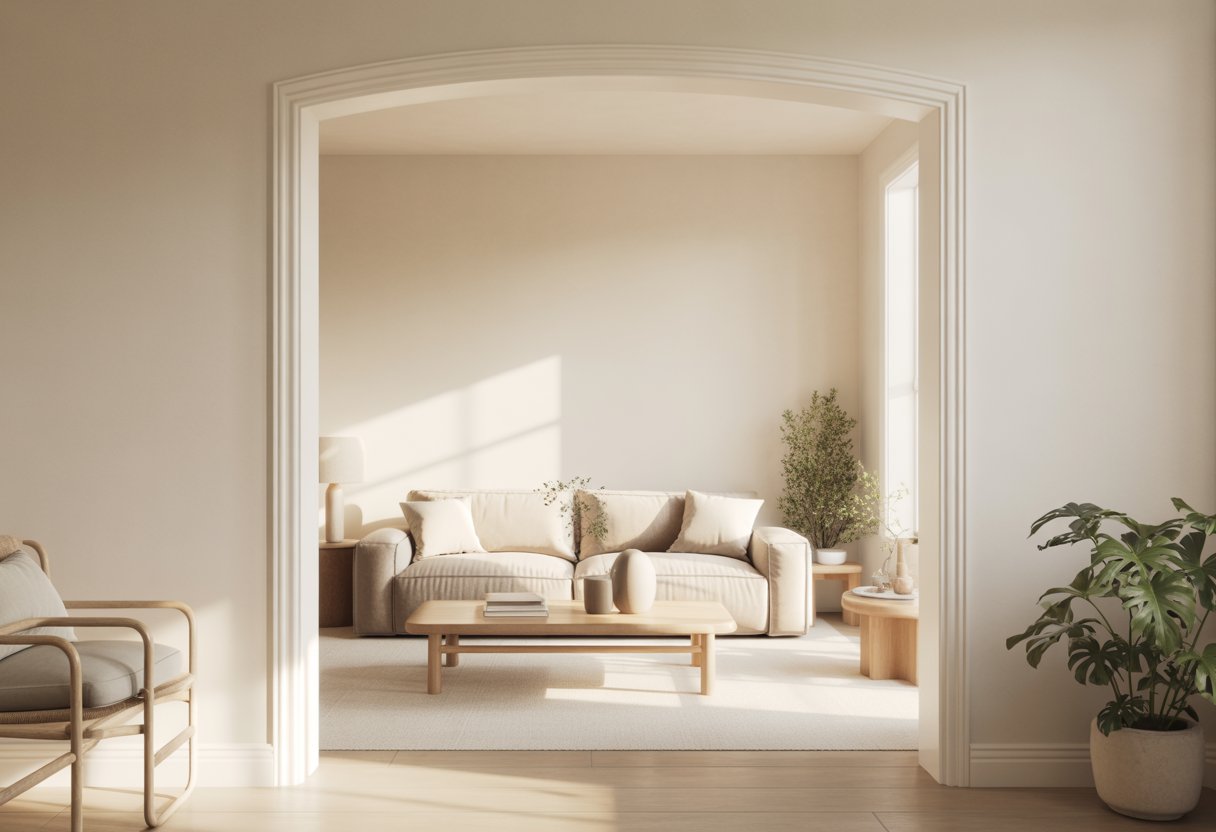
Behr Swiss Coffee is a warm, creamy white that works well in almost any room. It has a Light Reflectance Value of 84, which means it bounces back a lot of light and helps spaces feel bright and open.
This color sits in the white family but carries a subtle warmth that makes rooms feel cozy and inviting. Unlike stark whites, Swiss Coffee has a soft, creamy quality without being too yellow.
Homeowners and designers choose this shade because it pairs easily with other colors. It works well with blues, grays, and greens. The color also complements different design styles, from modern to traditional.
Swiss Coffee is available in multiple finishes, including flat and matte options. People use it on walls, trim, cabinetry, and furniture. It creates a clean, polished look while maintaining a comfortable feel.
The versatility of this paint color makes it a practical choice for those who want a neutral base. It acts as a backdrop that lets other design elements shine without competing for attention.
4) Benjamin Moore Simply White
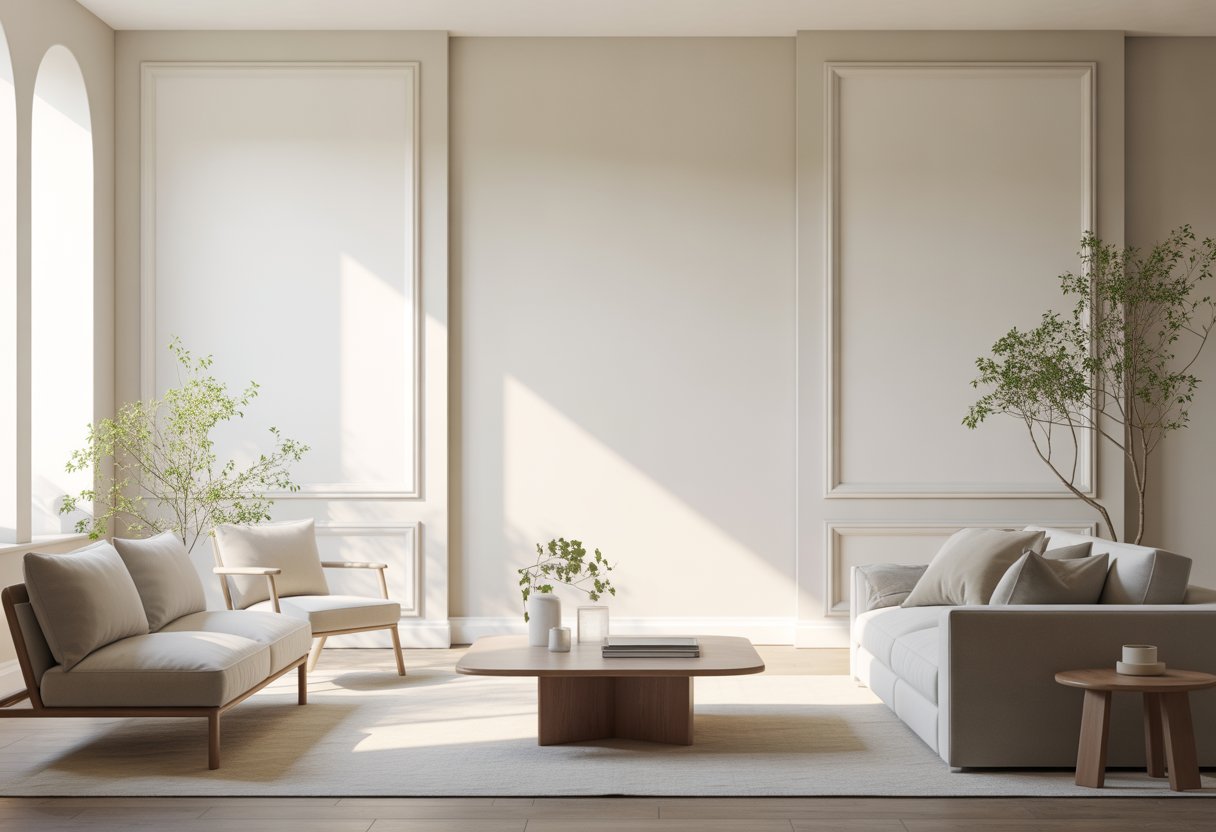
Benjamin Moore Simply White (OC-117) stands as one of the brand’s most popular white paint colors. It earned the title of Benjamin Moore’s 2016 Color of the Year, which helped boost its already strong reputation among homeowners and designers.
This paint color offers a clean, crisp appearance with a slight warmth to it. The warm undertone makes it different from stark, cold whites. It creates a soft and bright look that works well in various spaces throughout a home.
Simply White belongs to Benjamin Moore’s Off-White Collection. The hint of warmth in this color helps it coordinate nicely with other paint colors and decor styles. It serves as a good neutral backdrop without feeling too clinical or sterile.
The color works particularly well in darker rooms where it can help brighten the space. Its versatility makes it suitable for any room in the house. Many people choose it because it strikes a balance between being bright enough to feel fresh while having just enough warmth to feel inviting.
This white paint avoids being too yellow or too cool, which are common problems people face when selecting white paint colors.

5) Sherwin-Williams Shoji White
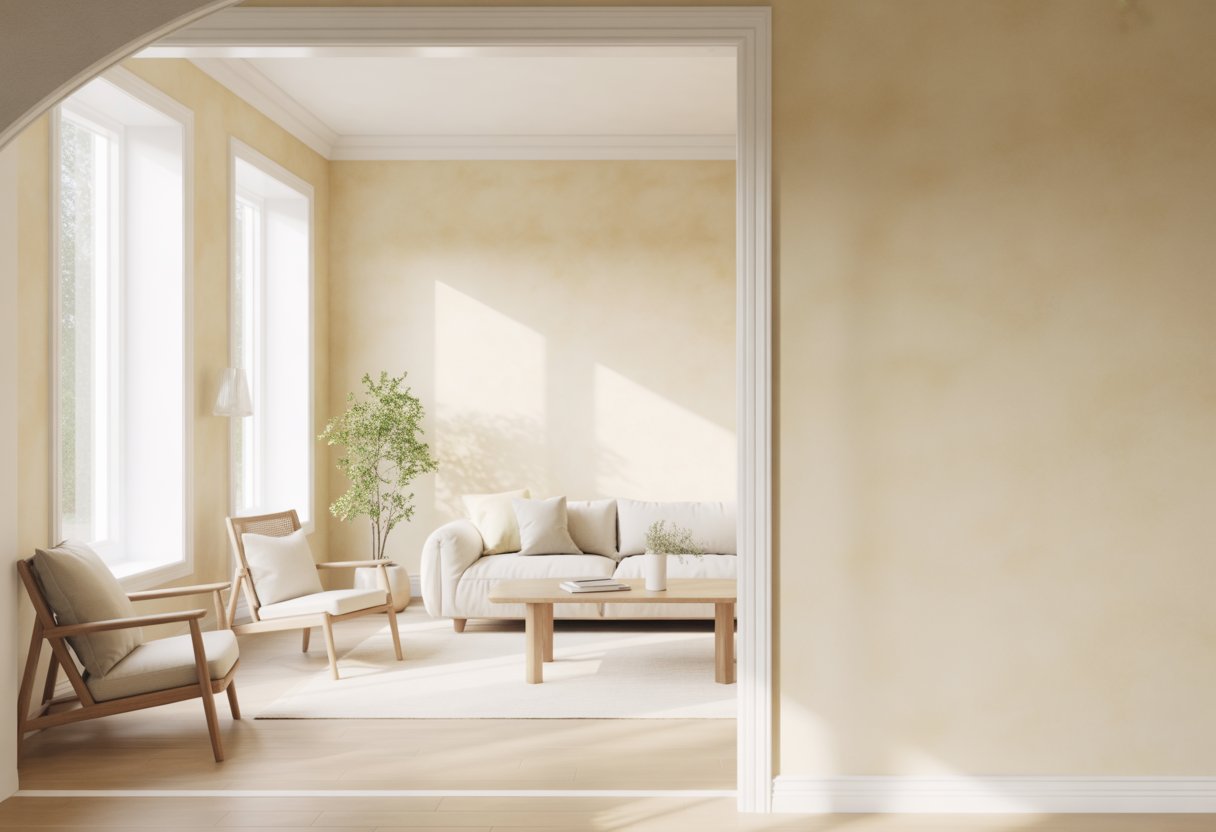
Sherwin-Williams Shoji White (SW 7042) is a warm off-white paint color that works well in many different spaces. It’s not a bright white or a stark white. Instead, it has a soft, creamy look that makes rooms feel cozy and inviting.
This paint color sits somewhere between cream and greige. It has subtle green undertones that give it depth and interest. The warmth in Shoji White helps spaces feel comfortable without looking yellow or beige.
People love using Shoji White on interior walls, but it also works great on exterior siding. It’s flexible enough to work as a main color or an accent color. The soft tone pairs well with both modern and traditional decor styles.
Shoji White creates a calm feeling in any room. It reflects light nicely while still adding warmth to the space. This makes it a popular choice for homeowners who want something softer than pure white but don’t want a color that feels too dark or heavy.
6) Farrow & Ball Wimborne White
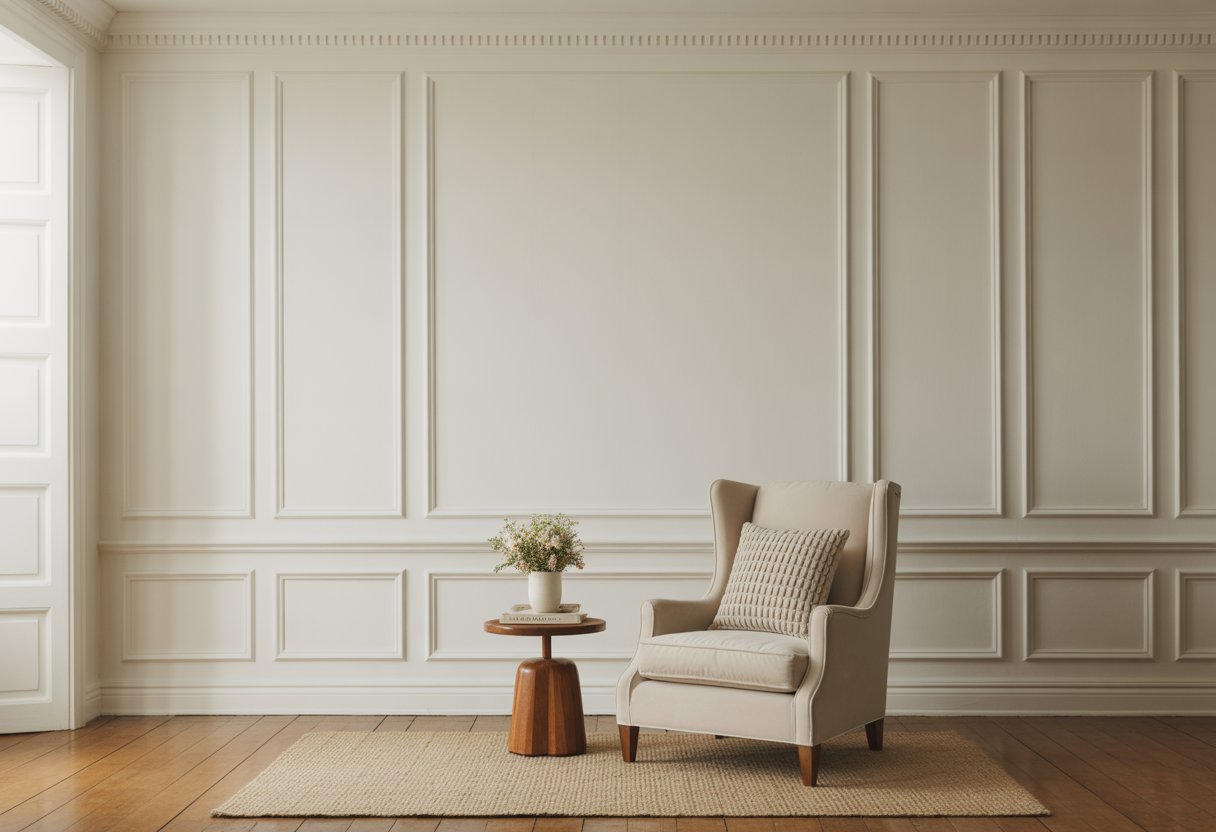
Wimborne White is one of Farrow & Ball’s most popular paint colors for good reason. It’s not a pure white, but rather a soft off-white with a hint of warm yellow pigment.
The color gets its name from the market town of Wimborne in Dorset, where Farrow & Ball is located. This small detail gives the paint a bit of charm and history.
What makes this shade special is how it creates a softer look than stark white paints. The warm undertones help spaces feel inviting without looking too yellow or cream. It works well in different lighting conditions and responds nicely to natural light throughout the day.
Interior designers reach for Wimborne White again and again because it’s so versatile. It pairs well with other colors and looks good in various rooms, from bedrooms to living spaces. The paint creates a calm atmosphere while still keeping rooms bright.
This off-white strikes a nice balance for people who want something warmer than pure white but don’t want to commit to a bold color choice.
7) Benjamin Moore Cloud White
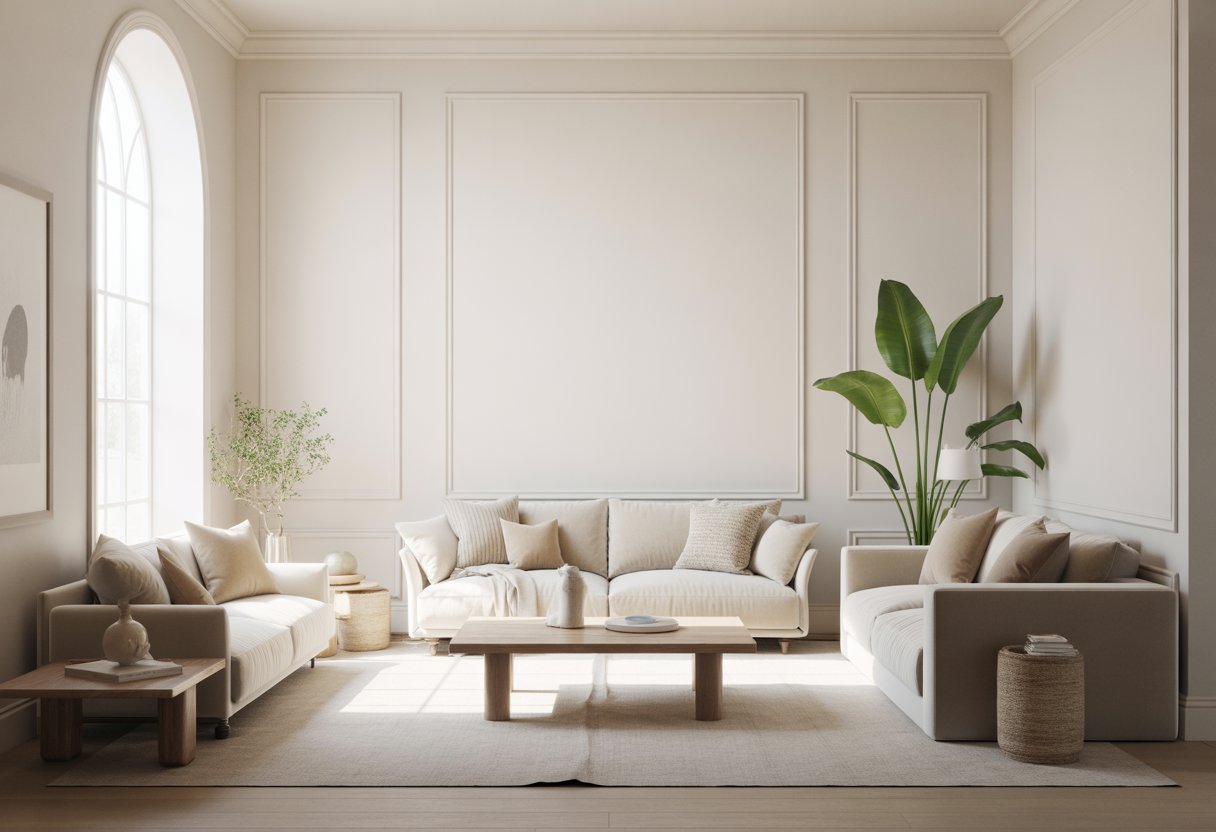
Benjamin Moore Cloud White is one of the most talked-about white paint colors in the design world. This soft off-white brings warmth to any space without feeling too stark or cold.
The color has subtle taupe and yellow undertones that give it a creamy, inviting quality. These warm undertones help rooms feel cozy rather than clinical. Cloud White changes appearance based on lighting conditions, looking warmer in natural sunlight and softer in low light.
This versatile shade works well in many different applications. Homeowners use it successfully on walls, trim, ceilings, and cabinets. It also performs beautifully on exteriors.
Cloud White pairs nicely with many color schemes. For a calm look, it combines well with soft blues and grays. Those wanting more contrast can pair it with deeper colors like navy blue.
The paint color brightens spaces while maintaining a welcoming atmosphere. It serves as an excellent backdrop for both modern and traditional decor styles. This flexibility explains why it remains a popular choice for people updating their homes.
8) Sherwin-Williams Soft Chamois
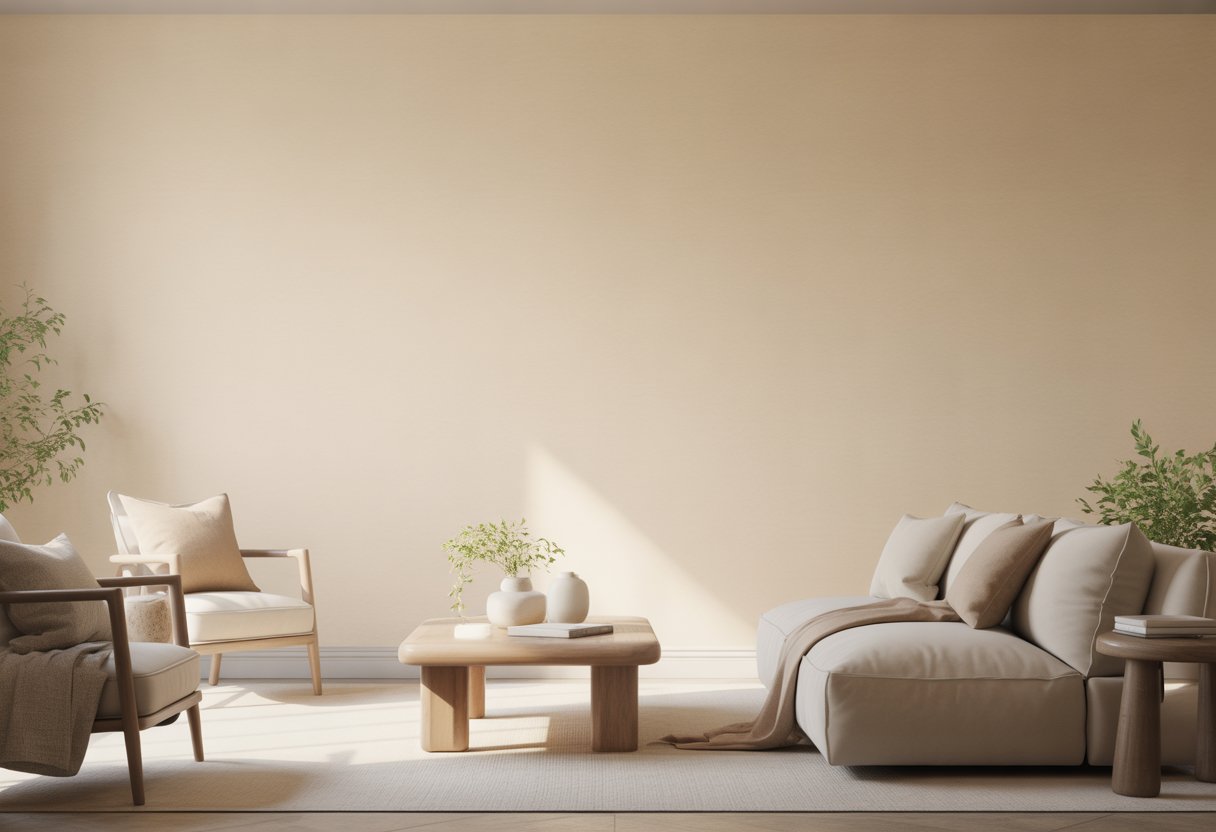
Sherwin-Williams Soft Chamois is a warm beige paint that falls between cream and tan. It brings character to a room without feeling too strong or bold.
This color has an interesting quality where it looks different throughout the day. Morning light makes it appear fresh and clean. As the day goes on, the color shifts and shows its warmer tones.
Soft Chamois works well in spaces where homeowners want something softer than pure white but not quite beige. It pairs nicely with both warm and cool accent colors. The paint looks good in living rooms, bedrooms, and hallways.
This shade is similar to Benjamin Moore’s Soft Chamois, though they come from different paint brands. Both colors share that warm, creamy quality that makes rooms feel welcoming.
People who like off-white colors but want something with more warmth often choose this paint. It creates a cozy feeling while still keeping spaces bright and open.
9) Benjamin Moore Navajo White
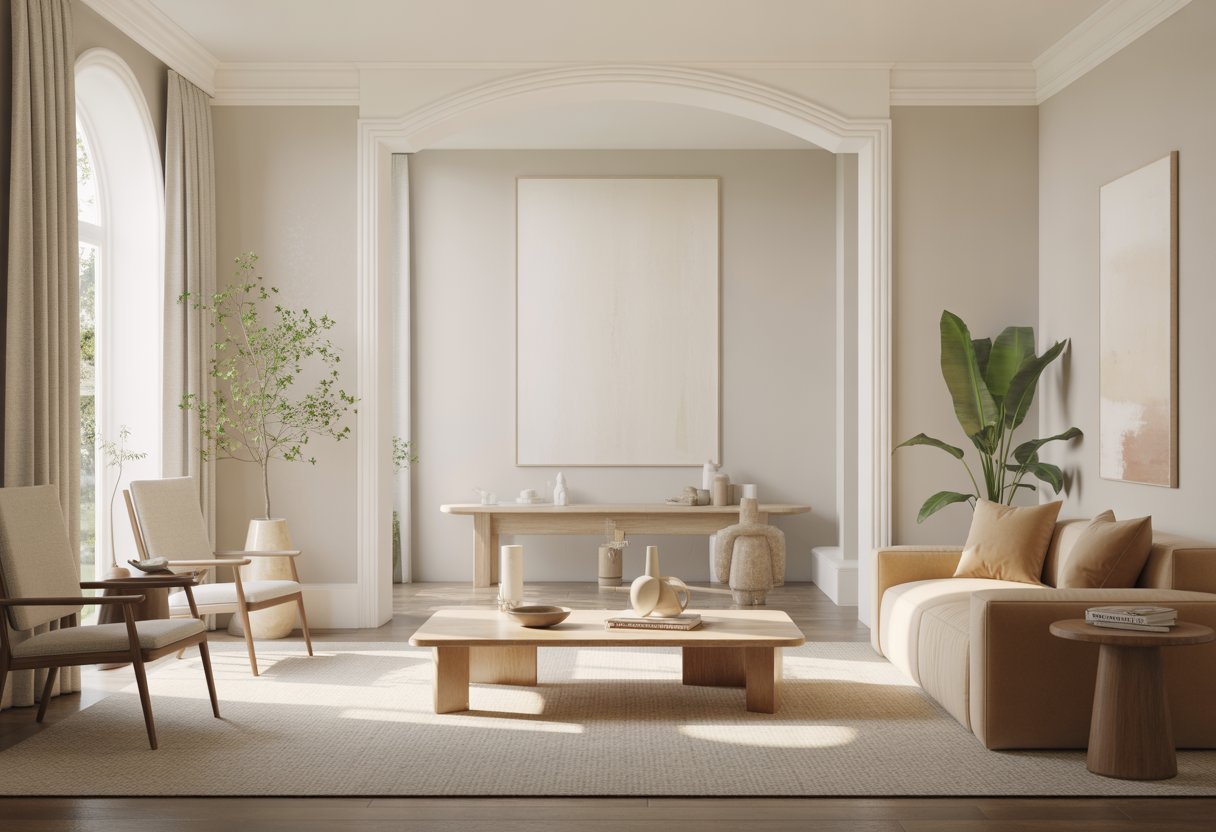
Benjamin Moore Navajo White (OC-95) is a warm cream paint color that works well in many different rooms. It has soft yellow and beige undertones that give it a cozy feel.
This color has a light reflectance value of 78.26. That means it reflects a good amount of light and can help brighten up darker spaces. It won’t look too stark or bright white on the walls.
Many homeowners choose Navajo White because it pairs easily with other colors. It looks good with deep navy blues and rich greens. The warm undertones help it feel inviting without being too yellow or orange.
This off-white works in both traditional and modern homes. It creates a neutral backdrop that doesn’t compete with furniture or decor. The subtle warmth makes rooms feel comfortable and welcoming.
Navajo White is part of Benjamin Moore’s Off-White Collection. People use it on walls, cabinets, and even exteriors. The creamy texture helps it stand out from plain white while still keeping a clean, fresh look.
Understanding Of-White Paint Colors
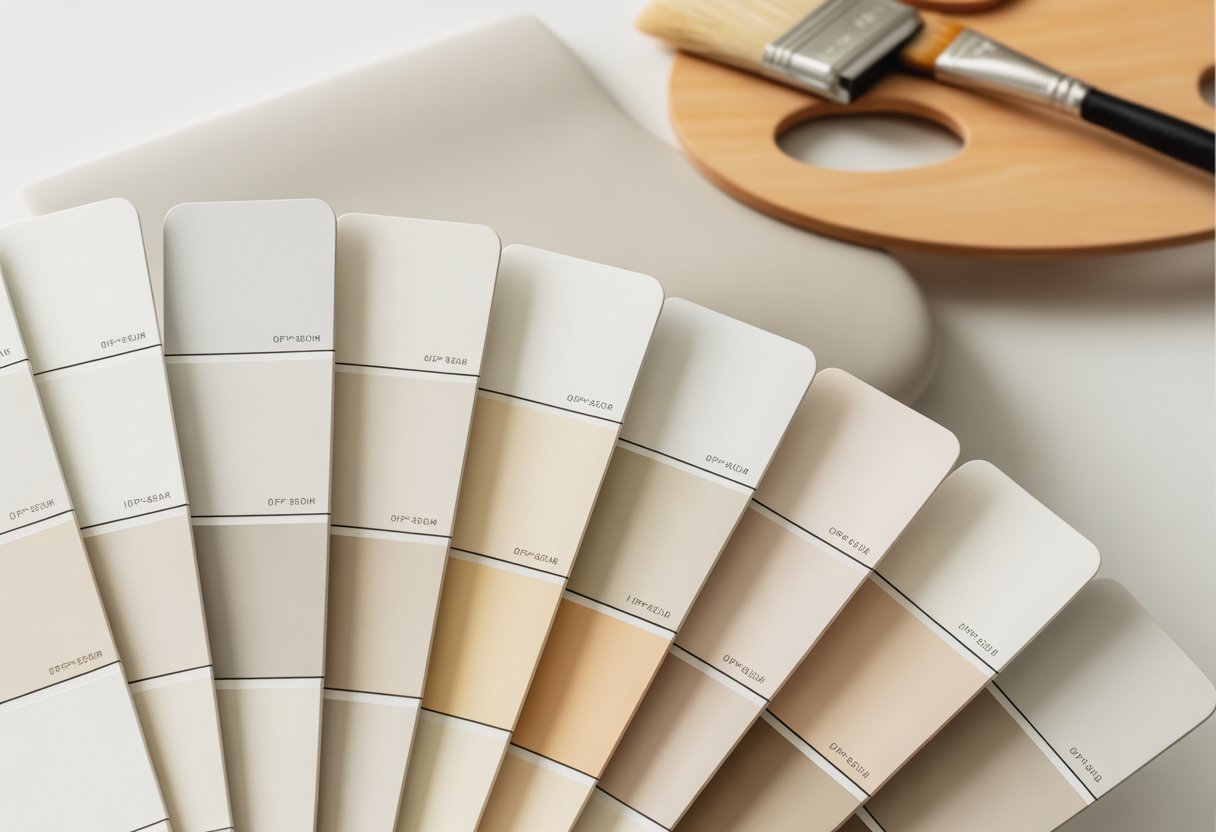
Of-white paints contain subtle hints of other colors that shift them away from pure white. These undertones determine how the paint looks in different lighting and alongside other colors in a room.
What Makes a Paint Color Of-White
Of-white paint colors sit between pure white and cream or beige on the color spectrum. They contain small amounts of pigments that give them warmth or coolness without being obviously colored.
Pure white reflects all light equally. Of-white paints absorb some wavelengths while reflecting others, which creates their subtle character.
These paints work well in homes because they feel softer than stark white. They hide imperfections better and look less harsh in natural light. Most homeowners find them easier to live with than bright whites.
The amount of added pigment in of-white paint is small but important. Too little and the paint looks like regular white. Too much and it becomes cream, beige, or gray instead.
Undertones and Their Effects
Undertones are the hidden colors within of-white paint that become visible in certain lighting conditions. The main undertones include yellow, pink, gray, blue, and green.
Warm undertones come from yellow, pink, or orange pigments. These of-whites create cozy spaces and pair well with wood tones and warm metals like brass or gold.
Cool undertones contain gray, blue, or green. They make rooms feel crisp and clean. These work best with modern furniture and cool metals like chrome or nickel.
The direction a room faces changes how undertones appear. North-facing rooms receive cool light that emphasizes blue and gray undertones. South-facing rooms get warm light that brings out yellow and pink tones.
Other colors in the room also affect undertones. A beige floor can make an of-white wall look more yellow. Gray furniture can pull out cool tones in the paint.
Related: Cloud Dancer Pantone 2026: Decorating Inspirations with the Color of the Year
Decorating Tips for Of-White Paint Colors
Of-white paints need the right lighting and color combinations to look their best. These soft neutrals create inviting spaces when paired thoughtfully with furniture, textiles, and warm lighting choices.
Best Lighting for Of-Whites
Natural light changes how of-white paint looks throughout the day. North-facing rooms make these colors appear cooler and grayer, while south-facing rooms bring out warmer undertones. Homeowners should test paint samples on different walls to see how light affects the color at various times.
Artificial lighting plays an equally important role. Warm LED bulbs with a color temperature of 2700K to 3000K enhance the creamy qualities of of-white paints. Cool white bulbs above 4000K can make these colors look washed out or too stark.
Layered lighting works best in rooms with of-white walls. A combination of overhead lights, table lamps, and floor lamps creates depth and prevents the space from feeling flat. Dimmer switches let residents adjust the ambiance and control how the paint color appears in different situations.
Pairing With Other Colors
Of-white paint serves as a neutral backdrop that works with many color schemes. Warm of-whites with yellow or beige undertones pair well with earth tones like terracotta, olive green, and warm browns. Cool of-whites with gray undertones complement blues, greens, and crisp black accents.
Designers often use the 60-30-10 rule when decorating with of-whites. The of-white covers 60% of the space as the wall color, a secondary color takes up 30% in furniture, and an accent color fills the remaining 10% in accessories.
For a monochromatic look, residents can layer different shades of white and cream. This approach adds visual interest without introducing bold colors. Textured fabrics like linen, wool, and cotton help distinguish between similar tones.
Creating a Cozy Atmosphere
Of-white walls become cozy when paired with the right textures and materials. Natural wood furniture adds warmth and prevents the space from feeling too sterile. Woven baskets, jute rugs, and rattan accessories introduce organic elements that balance the softness of of-white paint.
Soft textiles make rooms feel more inviting. Throw blankets, plush pillows, and layered curtains in cream, beige, or soft gray create a comfortable environment. These fabrics catch light differently throughout the day and add dimension to the space.
Personal touches prevent of-white rooms from looking too impersonal. Family photos in warm wood frames, plants in ceramic pots, and favorite books on open shelves make the space feel lived-in. Artwork with warm tones draws the eye and adds personality without overwhelming the calm backdrop.
